







Kast Restores Neoliberal Order and Sidelines Chilean Popular Demands
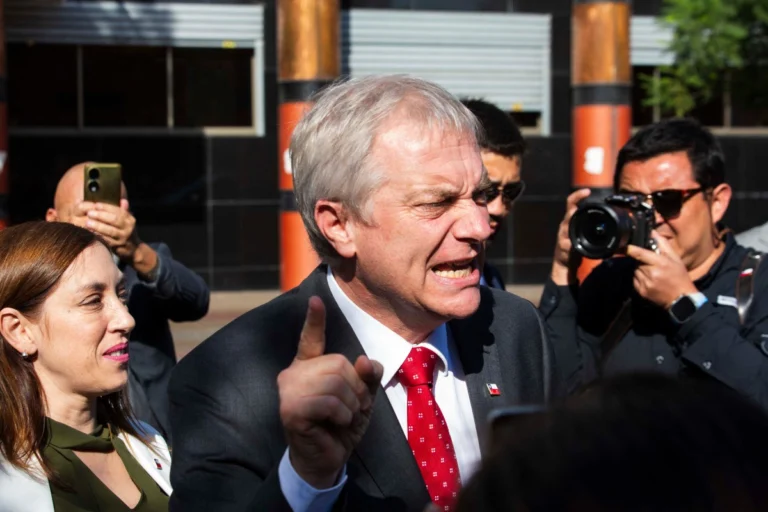
Chile’s President Jose Antonio Kast gestures as he greets supporters upon his arrival in Antofagasta, Chile, where he will meet local authorities to discuss mining issues, on March 17, 2026. (Photo by SEBASTIAN ROJAS ROJO / AFP)
April 16, 2026 Hour: 2:46 pm
🔗 Comparte este artículo
His first month in office brings fuel hikes, labor rollbacks, environmental deregulation, border militarization, and a new far-right alliance.
On March 11, 2026, José Antonio Kast assumed the presidency of Chile. He arrived in La Moneda after a campaign centered on restoring “national order” and defending private property.
Kast began his term with an approval rating of around 60%, a strong mandate in electoral terms. This support came mainly from sectors of the electorate tired of the long and unstable period of social change that followed the 2019 rebellion.
However, this initial support quickly became the platform for a kind of “shock doctrine” applied from day one of his government. The new administration used its early political capital to advance a rapid, top-down redesign of the state’s role in the economy and social life.
This accelerated rhythm has become one of the most defining features of the first month of the Kast administration, and it has set the tone for what many describe as a new political cycle in Chile.
The first thirty days were not limited to administrative adjustments or symbolic gestures. They were a deliberate effort to dismantle key social pacts that had emerged after mass mobilizations and institutional reforms.
The Internal Shock: Dismantling the Social Contract
The first week of Kast’s administration is already as a “Black Week” for labor and environmental rights. One of the earliest and most symbolic decisions was the official withdrawal of a comprehensive labor reform bill.
This bill had been designed to institutionalize sectoral collective bargaining, allowing workers to negotiate contracts covering entire industries instead of only individual companies. Its withdrawal was a direct blow to the collective power of the working class.
With that move, bargaining was pushed back to the company level, where employers have more control and workers are more fragmented. Business associations welcomed the decision, presenting it as a necessary step to improve “competitiveness” and “productivity.”
In parallel, the government launched a frontal attack on environmental regulation in the name of “unblocking” the economy. Within the first month, the administration suspended 43 key environmental protection regulations.
These measures focused especially on mining and energy projects that had been held up by environmental impact assessments and community consultations. In the short term, this deregulation opens the door for billions of dollars in investments that had been delayed, especially in lithium and copper extraction.
The government argues that these changes are necessary to reposition Chile as a global leader in strategic minerals and to attract foreign direct investment. Yet for communities living near mining zones and “sacrifice areas,” the suspension of regulations raises serious concerns.
The internal shock was not only institutional or regulatory. It also hit the daily economy of households across the country. The so-called “Benzinazo”, a sudden and steep increase in fuel prices, became one of the most visible signs of the new economic direction.
After the government modified the Price Stabilization Mechanism (MEPCO), gasoline prices jumped by more than 30%, and diesel climbed by around 60%. These increases quickly affected transport costs, food prices, and basic services, especially in urban peripheries and rural areas.
At the same time, the administration announced a major reduction in social spending, totaling nearly 6 billion dollars. The cuts included reductions in education budgets and the freezing of housing subsidies, affecting programs that many families depended on.
Together, the “Benzinazo” and the austerity measures created a double pressure: higher costs of living and less state support. As the effects of these policies accumulated, the President’s initial popularity started to erode. By mid-April, disapproval ratings in major urban centers were trending upward, reaching around 54%.
The Walls of Exclusion: Migration as a War Zone
While the internal shock reshaped social and economic policy, the northern border became the visible stage for Kast’s “Sovereignty First” agenda. Central to this agenda is the “Implacable Plan,” a comprehensive security policy that recasts migration and border management in military and national security terms.
In practice, engineering units have been deployed to survey and begin work on a physical wall along the border with Bolivia. The government presents this project as a necessary barrier against “irregular migration,” human trafficking, and transnational crime networks.
Official speeches emphasize control, protection, and defense of national territory. The humanitarian consequences appeared almost immediately. The Kast government ensures that the first part of the plan is going to begin with the expulsion of more than 340.000 illegal migrants to their original countries.
Many people were deported without access to legal counsel, translators, or proper asylum screenings. Families were separated, and cases involving children and vulnerable individuals were processed at high speed.
By replacing dialogue and joint management with walls and unilateral measures, Chile has created a tense climate with La Paz. Analysts describe this new situation as “trench logic,” which treats the Andean border as a militarized zone. In this context, the dialogue is open between both countries.
The Ultra-Right Axis: The Milei-Kast Alliance
On the international stage, the first thirty days of the Kast administration were marked by the consolidation of a new ultra-right axis in the Southern Cone. A key moment was the visit of President Kast to Buenos Aires on April 6, 2026, to meet with Argentine President Javier Milei.
During this visit, they formalized what is now known as the “Maipú Pact,” named after a historic battle but oriented toward a contemporary ideological alliance. This pact is based on a shared vision of radical deregulation, aggressive opening of markets, and a strong security state.
The two leaders signed agreements to integrate their mining and energy sectors, creating a coordinated front to manage the so-called “Lithium Triangle,” which spans parts of Chile, Argentina, and Bolivia. On paper, this integration promises efficiency and competitiveness in the global market for strategic minerals.
The Milei-Kast axis does not stop at economic matters. It also includes a strong focus on security cooperation and intelligence sharing. The two governments have promoted the creation of a trans-border intelligence network aimed at monitoring what they call “internal destabilizing elements.”
Officially, this network targets drug trafficking, organized crime, and corruption. Yet social movements and human rights organizations in both countries fear that it will be used to surveil and criminalize indigenous communities, trade unions, student organizations, and environmental activists.
The Venezuelan Question: Following the Washington Script
The Kast administration has adopted a foreign policy that many describe as “pragmatic interventionism” aligned with the strategic interests of the United States. The most sensitive issue in this first month has been the reaction to the January 3, 2026, U.S. military operation that resulted in the kidnapping of Venezuelan President Nicolas Maduro.
In this context, Kast has been one of the most vocal regional supporters of the intervention. His public statements frame the operation as a necessary step for “hemispheric security” and the restoration of democracy in Venezuela.
This alignment is also evident in his position toward the new Venezuelan authorities, with Delcy Rodríguez as an Interim President. Kast has refused to recognize Rodríguez’s legitimacy.
He maintains a distant and conditional stance, indicating that he will only open dialogue if it leads to a “total transition” toward a market-aligned government. This approach effectively positions Chile as the southern anchor of Washington’s regional strategy.
The Waking Giant and the Cost of Restoration
It is important to recall that the Kast government began its term with about 60% approval, supported by sectors hoping for order and stability. Yet the concrete effects of his economic, social, and foreign policy decisions have quickly reshaped public opinion.
By April 16, 2026, disapproval ratings had climbed to around 54%, driven largely by the impact of the “Benzinazo,” the rollback of labor protections, and the perception of an administration that governs for the economic elite.
The first month of the Kast government suggests a return to the structural rigidities and orthodoxies of the past. However, this return is happening in a social environment marked by the memory of recent uprisings and protests.
The dismantling of environmental protections, the hardening of migration policy, and the alignment with regional ultra-right projects may satisfy his political base and foreign investors.
At the same time, they have revived the grassroots energy that transformed Chile in 2019 and put issues like dignity, equality, and social justice at the center of public debate.
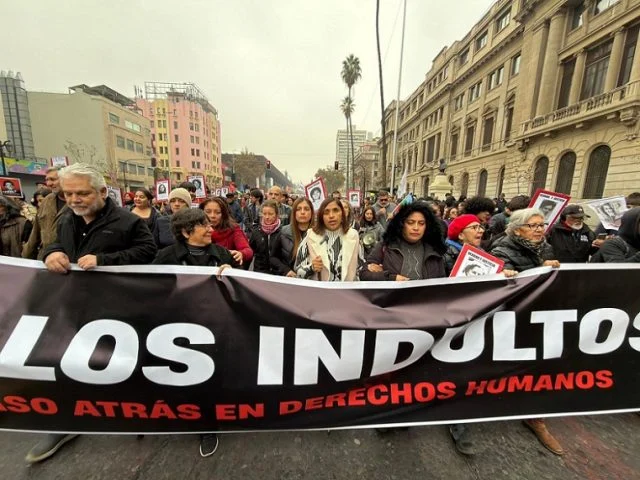
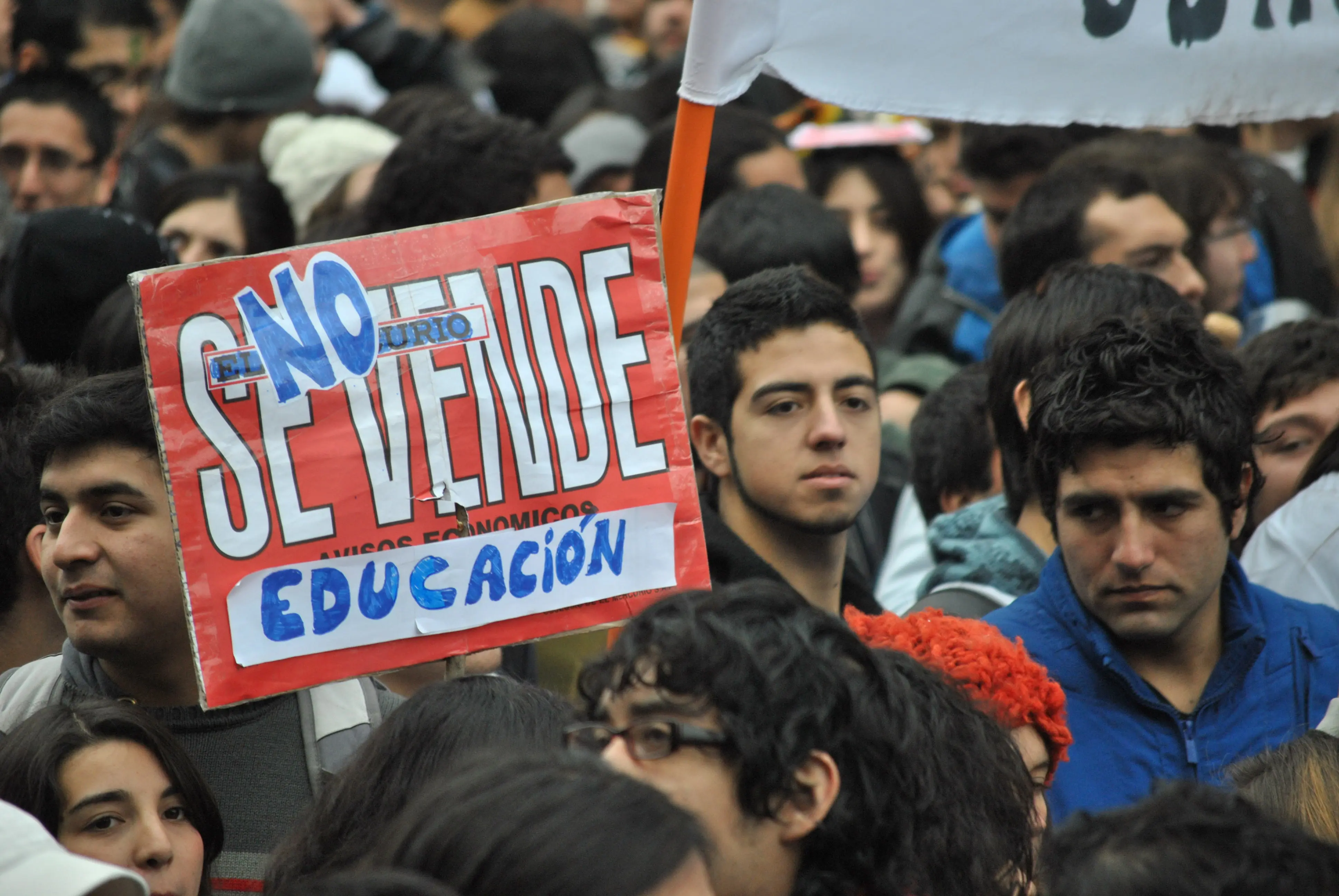
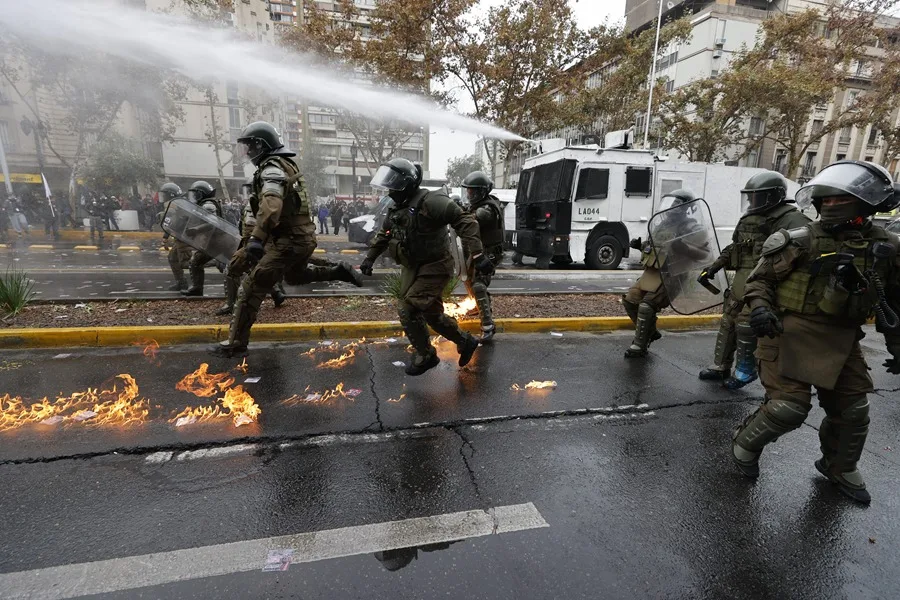
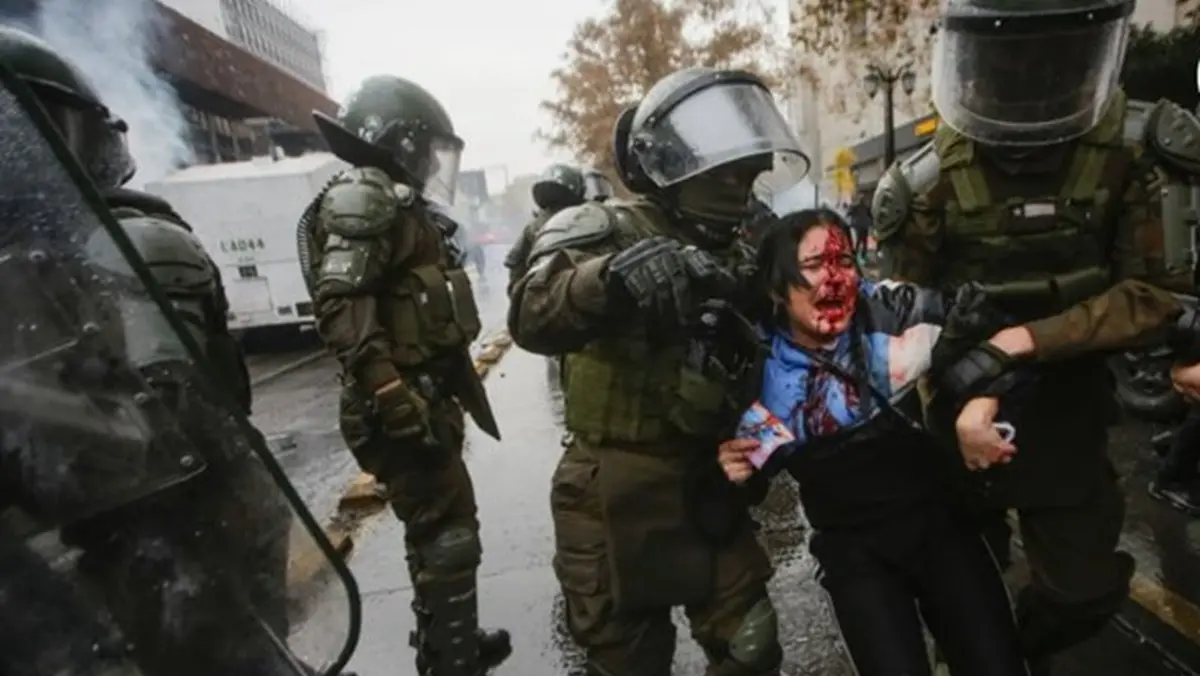
Students, workers, and neighborhood organizations are beginning to organize again, this time against fuel hikes, cuts in social spending, and the erosion of rights they considered won.
Sources: teleSUR – AL Jazeera – Al Mayadeen – TASS – RT – Xinhua – Página 12 – PBS – BBC – The guardian – DW – Peoples Dispatch
Author: Silvana Solano
Source: teleSUR